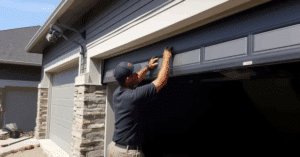
Can an existing garage door be insulated? Yes, an existing garage door can be insulated—and in most cases, it’s one of the smartest upgrades homeowners can make. Whether your garage feels freezing in winter, unbearably hot in summer, or lets in too much outside noise, insulation can make a noticeable difference.
Many people assume insulation is only possible when buying a brand-new garage door. However, that’s not true. With the right materials and approach, you can insulate an existing garage door effectively without replacing it entirely. Let’s explore how it works, why it matters, and what options you have.
Why Insulating an Existing Garage Door Matters
Before diving into how insulation works, it helps to understand why it’s worth doing in the first place.
Improved Energy Efficiency
An uninsulated garage door allows outdoor temperatures to flow freely into the garage. If your garage is attached to your home, this temperature transfer can affect nearby rooms. Insulating an existing garage door helps stabilize indoor temperatures and reduces heating and cooling costs.
Better Comfort
If you use your garage as a workshop, gym, or storage area, insulation makes it far more comfortable year-round. It keeps the space warmer in winter and cooler in summer.
Noise Reduction
Insulation also helps reduce noise from outside traffic and minimizes sound escaping from inside the garage. This is especially useful if your garage is close to living areas.
Protection for Stored Items
Extreme temperature changes can damage tools, paint, electronics, and even your car battery. Insulating your existing garage door adds an extra layer of protection.
Can an Existing Garage Door Be Insulated Without Replacement?
This is one of the most common questions homeowners ask, and the answer is yes. In fact, most standard garage doors—steel, aluminum, and even some wooden models—can be insulated after installation.
However, the success of insulation depends on factors such as:
- Door material
- Door condition
- Panel design
- Available headroom and track clearance
As long as the door is structurally sound and operates smoothly, insulation is usually possible.
Types of Existing Garage Doors and Insulation Compatibility
Steel Garage Doors
Steel doors are the easiest to insulate. Most have panel cavities that allow insulation boards or foam inserts to fit neatly.
Aluminum Garage Doors
Aluminum doors can also be insulated, although they are thinner. Lightweight insulation materials work best here to avoid stressing the door hardware.
Wooden Garage Doors
Wood already offers some natural insulation. However, adding foam or reflective insulation can further improve performance, especially if the door is older.
Single-Layer vs. Double-Layer Doors
Single-layer doors benefit the most from insulation. Double-layer doors may already have some insulation, but adding more can still enhance thermal efficiency.
Best Insulation Materials for an Existing Garage Door
Choosing the right insulation material is key to achieving good results. Below are the most popular options.
1. Polystyrene Foam Boards
These rigid panels are lightweight, affordable, and easy to install. They fit well into door panels and offer decent insulation value.
Pros:
- Budget-friendly
- Easy DIY installation
- Moisture-resistant
Cons:
- Moderate insulation performance
2. Polyurethane Foam Panels
Polyurethane provides a higher R-value, meaning better insulation. These panels are often pre-cut for garage doors.
Pros:
- Excellent thermal resistance
- Lightweight
- Durable
Cons:
- More expensive than polystyrene
3. Reflective Foil Insulation
This option reflects radiant heat and works well in hot climates. It’s often combined with foam for better results.
Pros:
- Effective against heat
- Thin and lightweight
Cons:
- Less effective in cold climates alone
4. Fiberglass Insulation
Fiberglass can be used but is less common due to installation challenges and moisture sensitivity.
How to Insulate an Existing Garage Door Step by Step
If you’re wondering how to insulate an existing garage door, the process is straightforward for most DIYers.
Step 1: Measure the Door Panels
Measure each panel carefully to ensure the insulation fits snugly without gaps.
Step 2: Choose the Right Insulation
Select insulation that matches your climate and door type. For example, foam boards are ideal for most homes.
Step 3: Cut Insulation to Size
Use a utility knife or saw to cut the insulation panels according to your measurements.
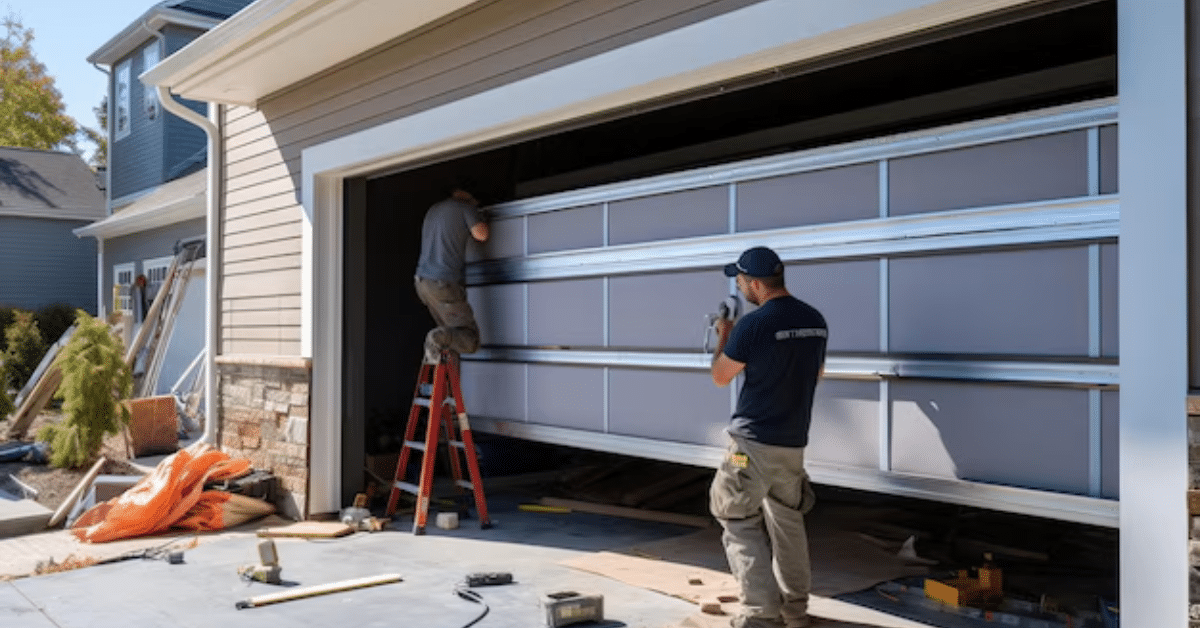
Step 4: Install the Insulation
Fit the insulation into the door panels. Some kits include retaining clips, while others rely on adhesive.
Step 5: Seal the Edges
Seal gaps with weatherstripping or foil tape to prevent air leaks and maximize insulation efficiency.
Can an Existing Garage Door Be Insulated Safely?
Yes, but safety and balance are important. Adding insulation increases the door’s weight, which can affect its operation.
Check Door Balance After Insulation: Once insulation is installed, test the door’s balance. If it feels heavy or doesn’t stay open, you may need to adjust the springs.
Inspect Hardware and Tracks: Ensure hinges, rollers, and tracks are in good condition. Insulation should never interfere with door movement.
If you’re unsure, consulting a garage door professional is a smart move.
Cost of Insulating an Existing Garage Door
The cost depends on materials and whether you do it yourself or hire a professional.
- DIY insulation kits: $50–$150
- Professional installation: $200–$500
Compared to replacing the entire door, insulating an existing garage door is far more affordable.
Common Mistakes to Avoid
- Using overly heavy insulation
- Blocking ventilation or door movement
- Ignoring weatherstripping around the door
- Skipping balance and safety checks
Avoiding these mistakes ensures long-term performance and safety.
Does Insulating an Existing Garage Door Increase Home Value?
While it may not dramatically increase resale value, insulation adds comfort, energy efficiency, and appeal—especially for buyers who value practical upgrades.
When Insulation Might Not Be Enough
In some cases, insulation alone may not solve the problem. Consider a full door replacement if:
- The door is damaged or warped
- Panels are cracked or rusted
- The door lacks structural integrity
Still, for most homeowners, insulating an existing garage door is more than sufficient.
Final Thoughts
Absolutely. If you’ve been asking, can an existing garage door be insulated, the answer is a confident yes. It’s a cost-effective way to improve comfort, reduce energy loss, and protect your belongings.
With the right materials, proper installation, and attention to balance and safety, insulating your existing garage door delivers long-lasting benefits without the expense of replacement. For most homes, it’s a simple upgrade that makes a big difference.